From the Island of Chios
A treasure found nowhere else
Off the coast of Greece, in the north-eastern Aegean, lies the island of Chios — the fifth-largest of the Greek islands, sun-drenched, mountainous and steeped in myth. Some even name it as the birthplace of Homer. But its greatest fame comes from a secret found nowhere else on earth, hidden away in the medieval villages of its arid south.
These are the Mastichochoria, the ‘mastic villages’ — a cluster of fortified, labyrinthine settlements such as Pyrgi, Mesta and Olympoi, built centuries ago around a single remarkable crop. Here grows the mastic tree, a hardy evergreen that, when its bark is carefully scored by hand, weeps a fragrant natural resin the Greeks call mastiha — the ‘tears of Chios.’ The tree grows elsewhere around the Mediterranean, yet only on Chios does it give this treasured resin.
Mastiha has been prized for more than 2,500 years — noted by the historian Herodotus, sought by Roman nobility, and once so valuable it was reserved for Ottoman sultans and traded as a kind of ‘white gold’ across empires. Today it is protected in law: it has carried European Protected Designation of Origin status since 1997, and in 2014 the very know-how of cultivating it was inscribed on UNESCO’s list of the Intangible Cultural Heritage of Humanity.
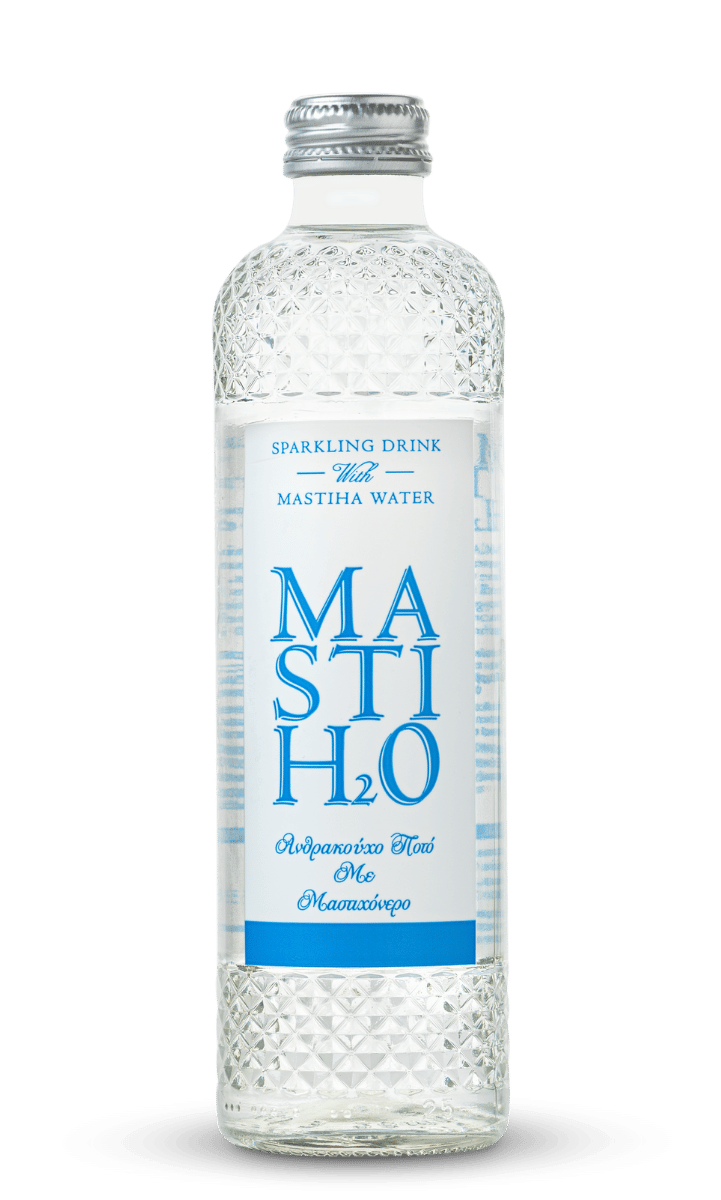
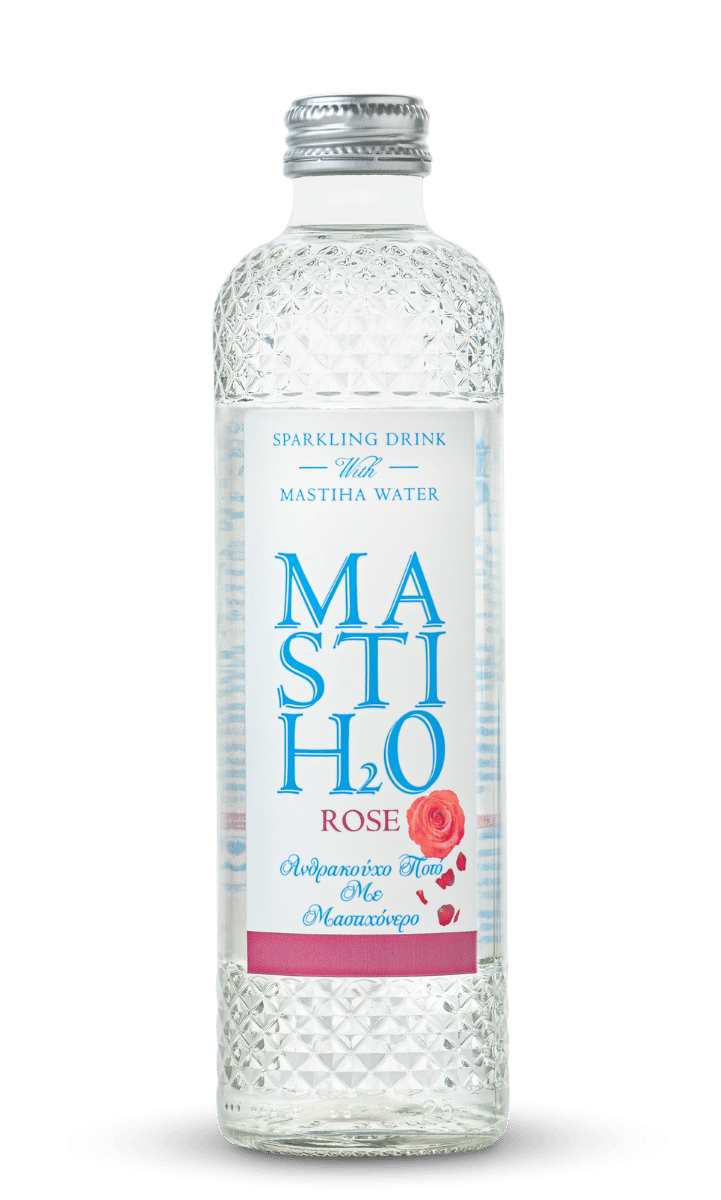
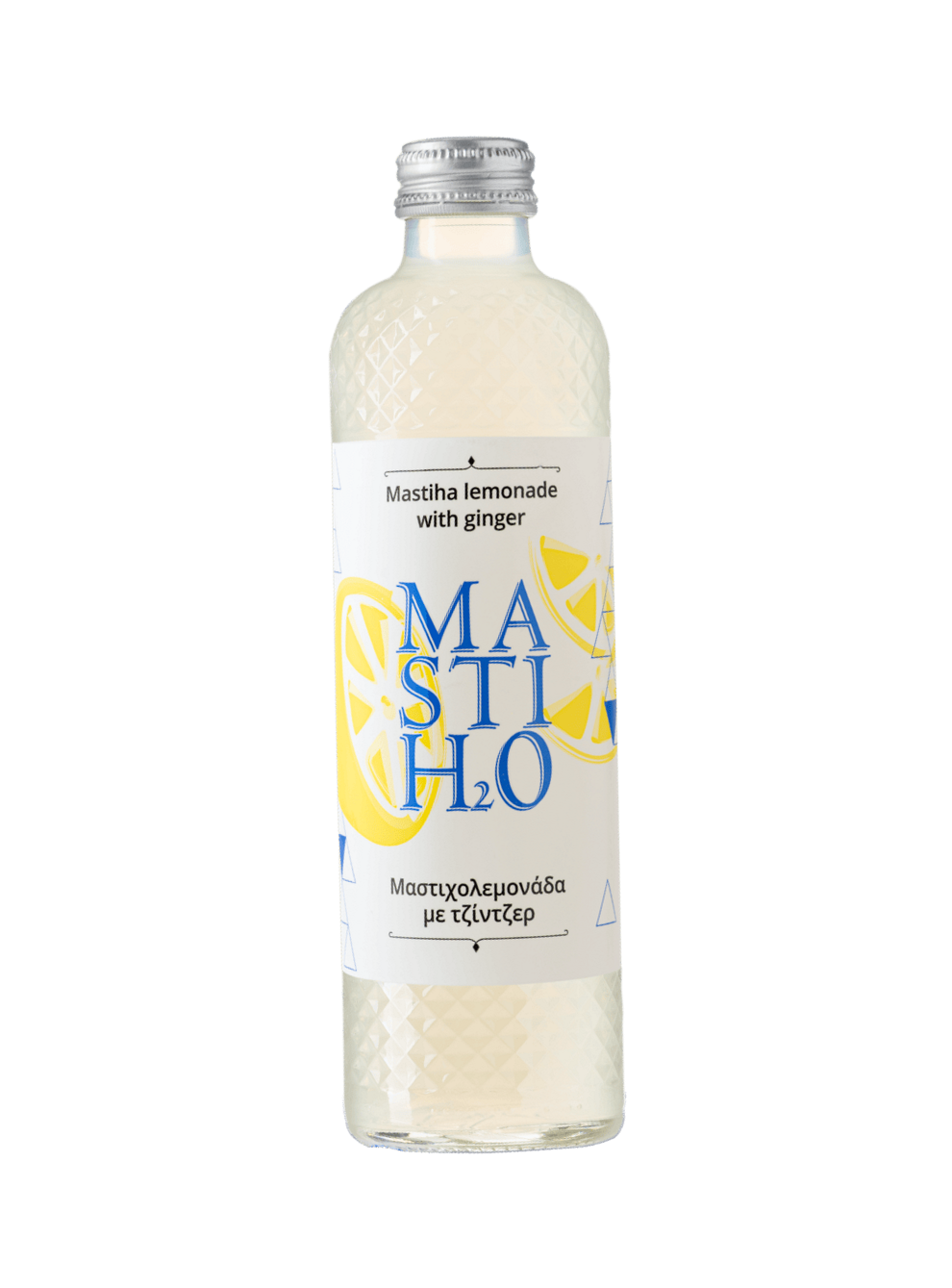
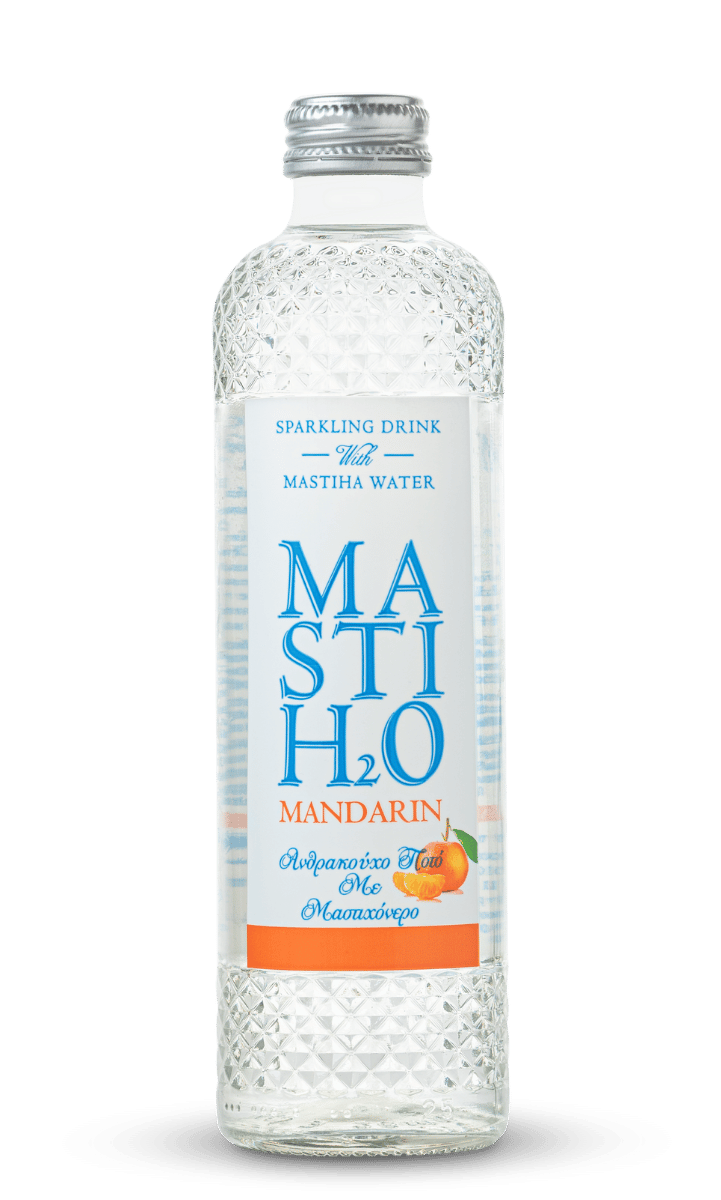
Every tear is still gathered and cleaned by hand, exactly as it has been for generations. It is this rare, living tradition that gives mastiha its clean, subtly pine-and-cedar character — and that sits at the heart of every MASTIHO drink we bring to Australia.